%404x.png)

The transition back to work after becoming a parent is a challenging time for many. Among the various hurdles new mothers face, one of the most significant is balancing the demands of their job with the needs of their baby, especially when it comes to breastfeeding. For many, a lactation room at the workplace becomes a vital space for expressing milk. The question is: what should this room include to ensure that it’s truly supportive, practical, and respectful of both the mother's needs and the company’s responsibilities?
While it might seem like a complex and expensive project, setting up a lactation room isn’t as daunting as it may appear. In fact, it can be surprisingly simple to create an environment that not only meets the legal requirements but also makes mothers feel comfortable and valued. After all, a well-designed lactation room can have benefits that go beyond compliance; it can significantly boost employee morale, productivity, and retention. So what exactly does a lactation room need to provide? Let’s dive into the essentials.
The Legal Framework: Why Lactation Rooms Matter
Before we get into the specifics of the room's features, it’s important to briefly touch on why lactation rooms are so critical for employers to provide. In the U.S., the Break Time for Nursing Mothers Law requires employers to provide reasonable break time and a private space for mothers to express milk during the workday. The space must be free from intrusion, not a bathroom, and should be shielded from public view. These requirements apply to employers with 50 or more employees, but even smaller employers can benefit from providing lactation support, both from a legal and a morale-boosting perspective.
Research shows that when mothers have a dedicated space to pump, they are more likely to continue breastfeeding. And companies that support breastfeeding employees see reduced turnover, lower absenteeism, and improved job satisfaction. It’s an investment that makes sense in so many ways.
But beyond the legal framework, a lactation room is more than just a “box to check.” It is about respecting the personal journey of new mothers. The room should feel welcoming and accommodate their needs in a way that’s practical, private, and peaceful.
What Makes a Lactation Room Truly Supportive?
A lactation room is meant to be a safe, private space for new mothers to express milk comfortably. Here are the key features that should be included:
1. Privacy and Comfort: The Foundation of the Space
One of the most important aspects of a lactation room is privacy. A mother’s need for privacy while pumping or breastfeeding is crucial for both physical comfort and emotional well-being. If the room is in a high-traffic area or doesn’t have adequate privacy, the mother may feel stressed or distracted, which can impact her ability to express milk.
- Doors that lock or secure: There should be a way to lock the door or otherwise ensure that no one will accidentally walk in while the mother is using the space.
- Soundproofing: A quiet space can help make the experience more comfortable and less stressful, so consider soundproofing or at least reducing outside noise.
You might also want to consider adding a small sound system for soothing background music or white noise. It’s the little details that help make the room feel like a refuge.
2. Comfortable Seating and Furniture
While a basic chair may suffice, you should go a step further. Lactating mothers need to be comfortable for the duration of their pumping sessions, which can sometimes last for 15-30 minutes or more. A comfortable, supportive chair with armrests and back support is key.
But let’s take it a step further. Why not include a small, cushioned ottoman or a footrest? This can help prevent fatigue and give mothers a chance to relax. The last thing you want is for someone to feel uncomfortable during a very personal and intimate process.
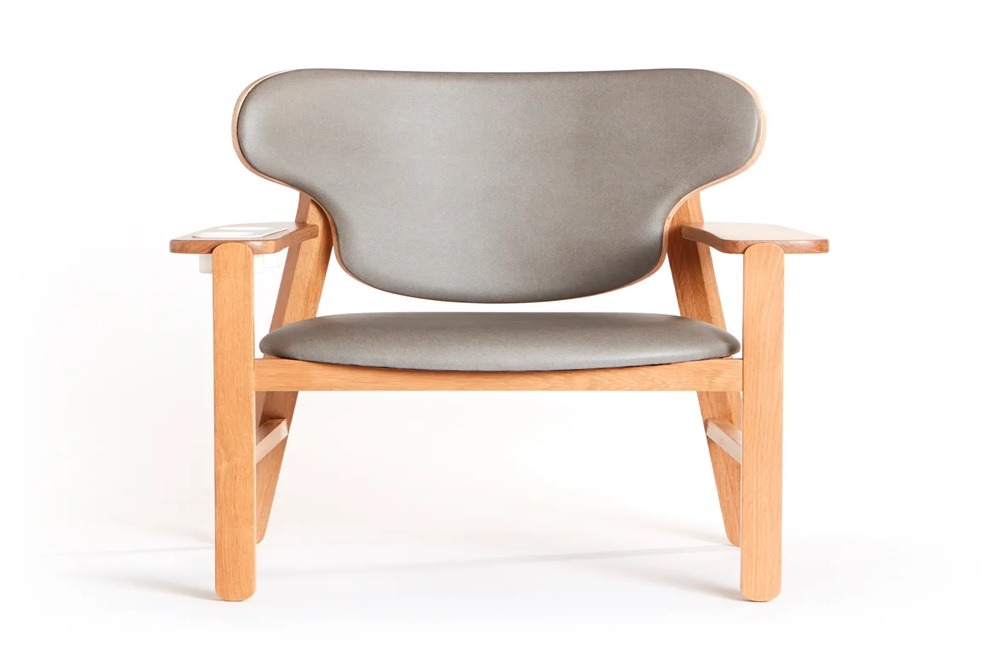
One furniture piece that’s becoming integral to a thoughtful lactation room is a dedicated lactation chair. This chair is specifically designed with the unique needs of breastfeeding and pumping mothers in mind. Unlike typical office or lounge chairs, lactation chairs offer more specialized support to make the experience more comfortable and efficient.
Here’s what makes a lactation chair different from regular seating:
- Support where it matters most – The chair is designed to provide targeted support for the back, shoulders, and arms, which are the areas that tend to experience strain during extended pumping sessions. The cushioning is structured to alleviate these pressure points, helping reduce fatigue.
- Armrests tailored for pumping – The armrests are contoured and positioned to support mothers in holding pumping equipment comfortably. This thoughtful design ensures that mothers don’t have to strain their arms or maintain awkward postures while using the pump.
- Balanced posture for comfort – A lactation chair offers just the right amount of recline to ensure comfort without compromising the practical needs of pumping. This allows the user to settle into a posture that’s both comfortable and conducive to efficient milk expression.
- Materials that are easy to clean – Given the likelihood of spills, a lactation chair is made with durable, wipeable fabrics that resist staining and odor retention. This ensures that the chair remains hygienic and presentable for all users.
- A welcoming, professional look – Lactation chairs are designed to fit seamlessly into the workplace, offering a professional yet comforting appearance. The chair’s aesthetic reflects a company’s commitment to providing a supportive environment for parents.
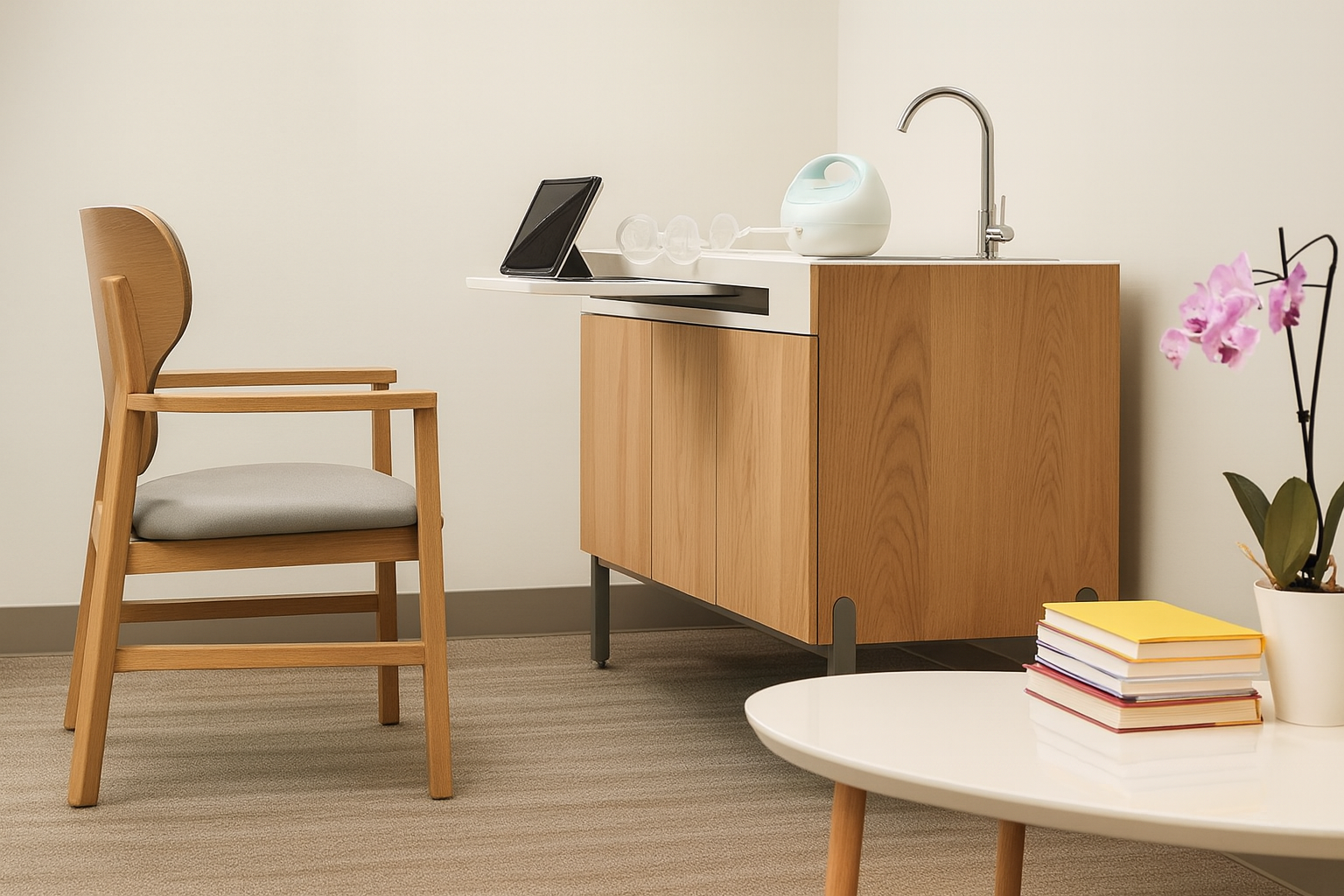
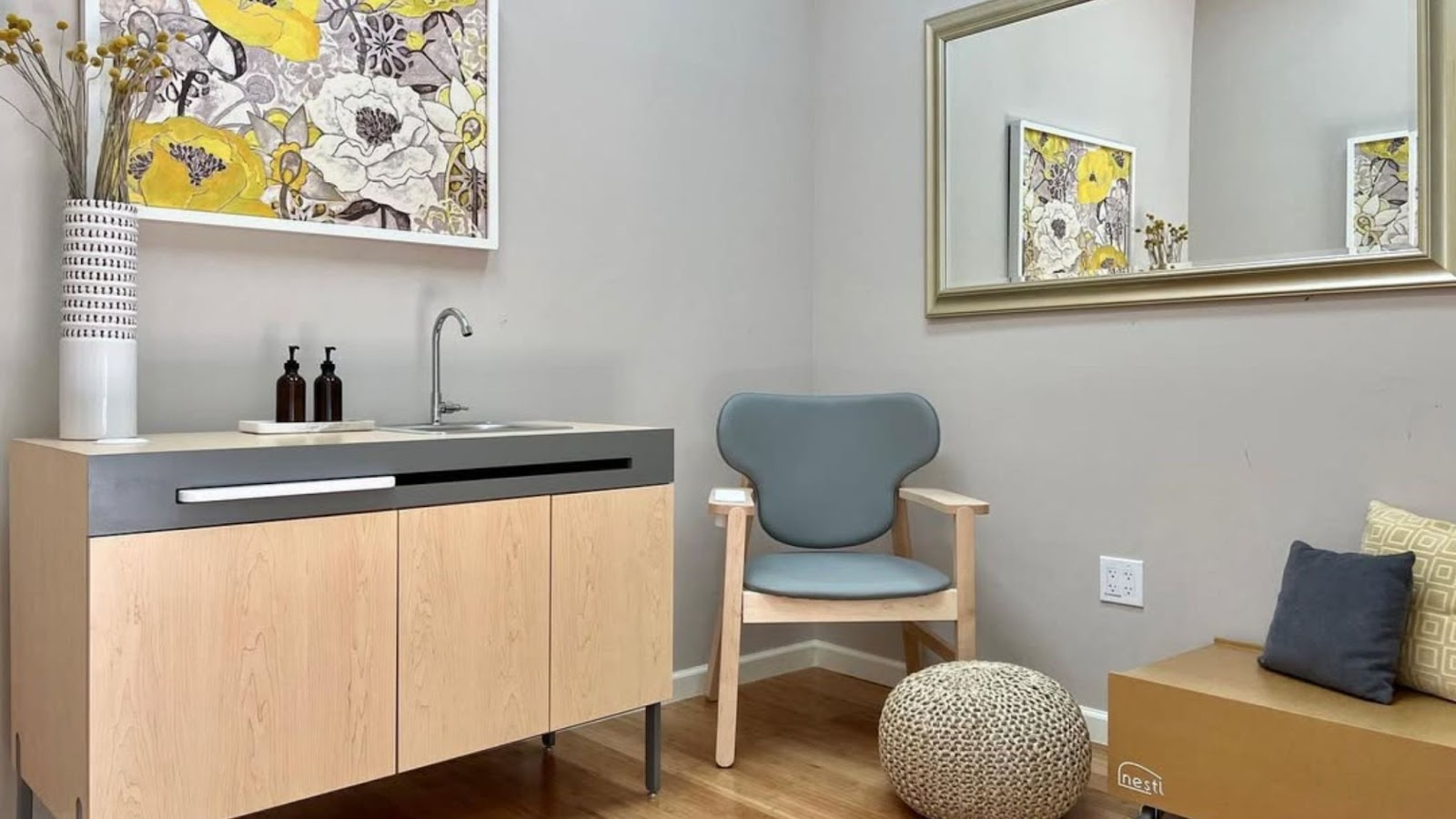
In addition to the chair, make sure the lactation room is equipped with a spacious surface for placing pumps, bottles, or other essentials. Consider placing the chair near accessible outlets so that mothers can easily power their pumps or charge their devices. Thoughtful placement of these elements ensures the room doesn’t feel cramped or rushed, creating a calm and efficient environment for mothers to express milk.
Investing in a specialized lactation chair helps transform the room into a space that truly respects the physical and emotional experience of new mothers returning to work. It’s not just about comfort, but about showing genuine care for their well-being.
3. Access to Power and Lighting
Lighting can often be an overlooked aspect of a lactation room. The right lighting can make a huge difference in the overall atmosphere, making it feel more relaxing and less clinical. Soft, adjustable lighting (rather than harsh fluorescent lights) is ideal. Natural light, when possible, is a bonus, but if that’s not available, go for warm LED lights.
And don’t forget about power sources. A lactation room should have several accessible outlets, particularly near the seating area. A mother may need to plug in her pump, phone, or laptop to watch videos or listen to music during her session. It’s about convenience and anticipating the needs that might arise.
4. Hygiene and Cleanliness: Essential for Comfort
The cleanliness of the room is of utmost importance. In fact, employers are legally required to provide a space that is clean and sanitary. Beyond that, a clean room can help the mother feel comfortable and confident that she’s in a safe, hygienic environment.
Here are some key hygiene-related features for a lactation room:
- Wipeable surfaces: Surfaces should be easy to wipe down, and any furniture should be durable enough to withstand frequent cleaning.
- Access to a sink: If possible, a sink should be nearby for washing hands and cleaning pumping equipment. If a sink isn’t available in the lactation room itself, ensure that there’s one close by.
- Sanitizing wipes and supplies: Provide sanitizing wipes or hand sanitizers, tissues, and paper towels. You might also want to include a small waste bin for trash disposal and keep it lined with a plastic bag for easy removal.
5. Amenities That Go the Extra Mile
While the basics are essential, it’s the extra touches that truly show employees that you care. Think about providing small amenities that make the experience more pleasant and convenient.
- Mini fridge: A small refrigerator is a thoughtful addition. It allows mothers to store their expressed milk without worrying about it spoiling during the day. It’s also useful for keeping snacks and drinks cold.
- Storage for personal items: Consider providing a space where mothers can store personal belongings like bags, coats, or extra clothes. A simple coat rack or shelf can make a big difference.
The takeaway here is that the room should not only be functional but also offer a sense of comfort and calm. For many mothers, this room can become a sanctuary during an otherwise hectic day. A soothing space can make all the difference.
What’s the Emotional Impact?
It’s important to remember that returning to work while also trying to navigate breastfeeding and milk expression can be emotionally overwhelming. It’s easy to assume that a lactation room is simply a space for milk expression, but for many new mothers, it’s so much more than that. It's a space where they can take a breather, connect with their new identity as a mother, and recharge before returning to work.
For employers, it’s not just about compliance, it’s about acknowledging the personal journey new mothers are on and providing a space that validates and supports their role as both a parent and a professional.
Here’s the Catch
Setting up a lactation room is not only a legal obligation but a chance to show your employees you care. It doesn’t have to be a huge investment, but with a few simple upgrades, you can make the room a space that people look forward to using. A thoughtful lactation room can lead to higher employee satisfaction, loyalty, and retention. Most importantly, it’s about fostering an environment where every employee, no matter their family situation, feels valued and supported.
So, when you're considering whether to build or improve your lactation room, think of it as an investment, one that pays dividends not just in compliance, but in fostering a caring, inclusive company culture.
In the end, a great lactation room can be a powerful symbol of the company’s commitment to employee well-being, inclusivity, and work-life balance. And that’s something all employees, especially new parents, can appreciate. Nessel offers a variety of products specifically designed to help employers set up an ideal lactation space. From ergonomic lactation chairs to adjustable tables and soundproofing solutions, Nessel’s products ensure that the room is both functional and comfortable, meeting all the necessary legal and personal requirements. For a more streamlined solution, you can also opt for a complete lactation pod, a fully integrated, self-contained unit that provides all the essentials in one package. Whether you’re assembling a room from scratch or looking for a turnkey solution, Nessel’s offerings make it easier than ever to provide a welcoming space for breastfeeding employees, fostering an inclusive and supportive work environment.
%404x.png)
