%404x.png)
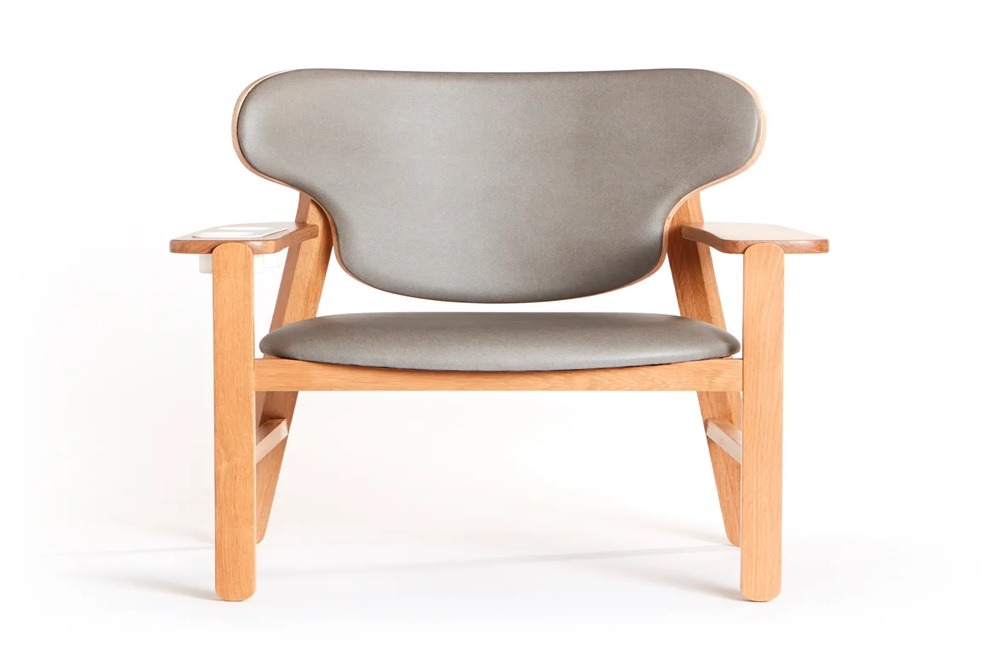
There’s a quiet shift happening in offices, coworking hubs, hospitals, and even the small, tucked-away rooms that once doubled as storage closets. Employees are coming back from parental leave and expecting something better, something that actually supports their bodies and their day-to-day experience. And it shows, because the lactation chair is becoming a must-have in modern workspaces, reshaping what comfort, respect, and compliance look like when someone returns to work while pumping.
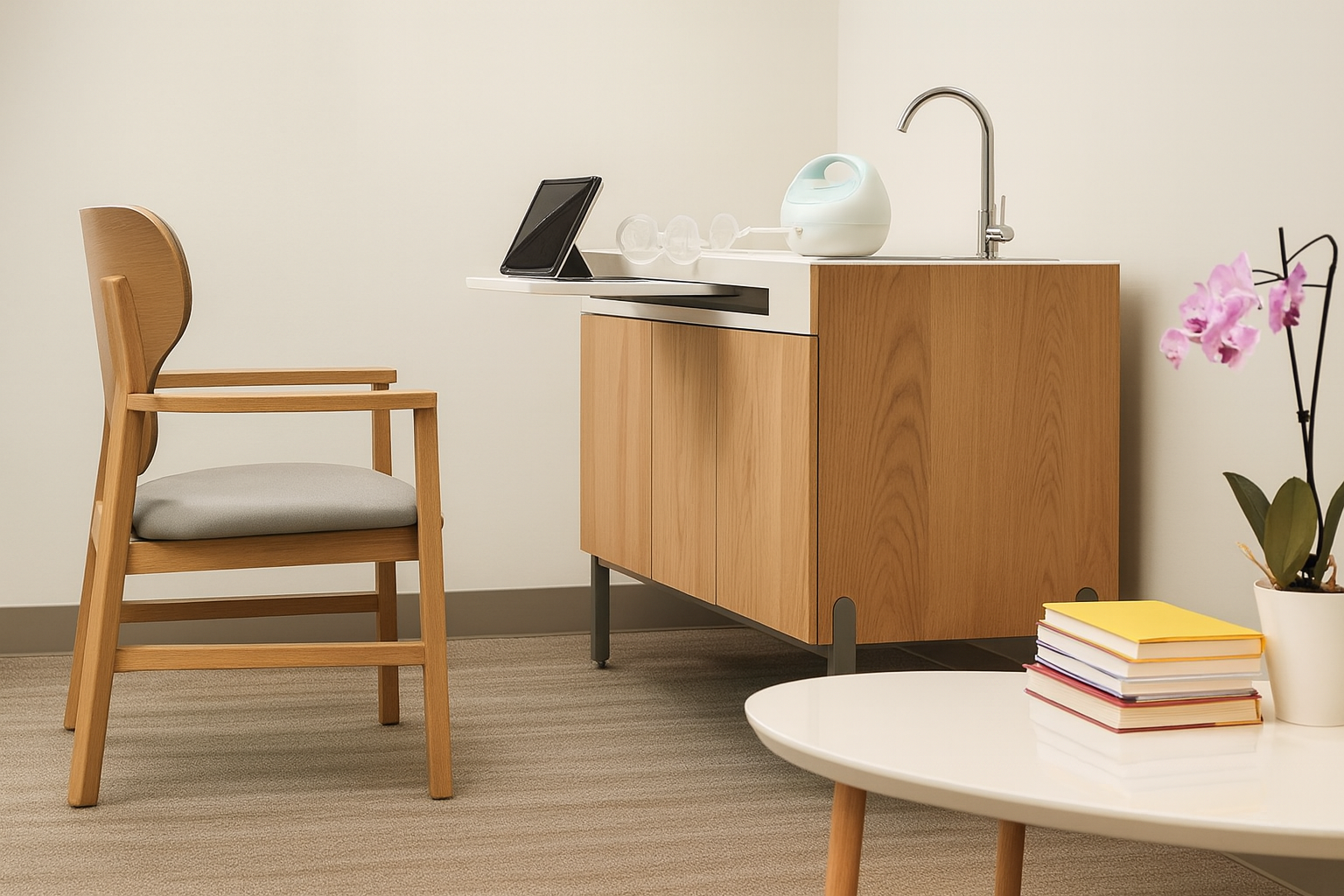
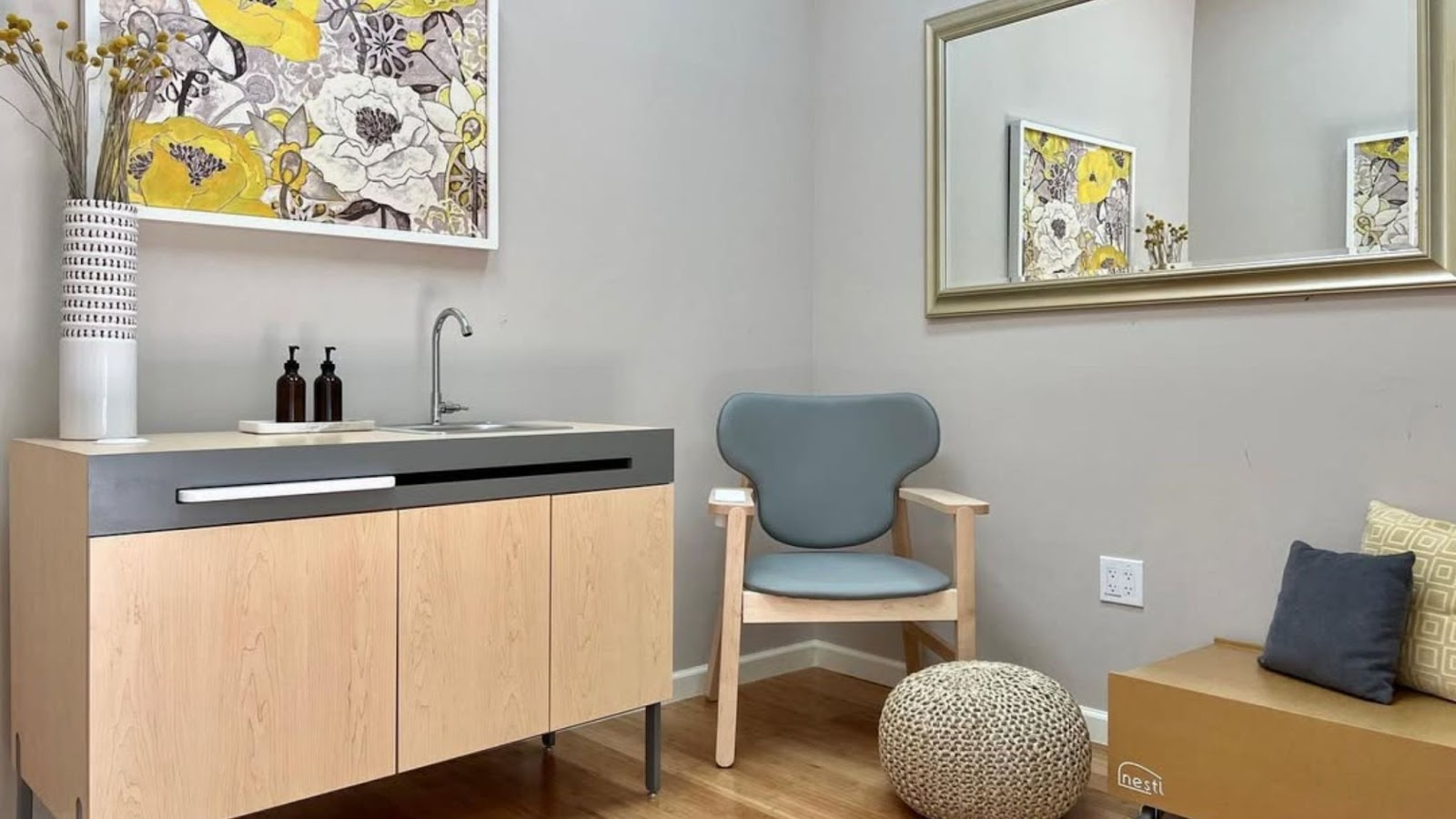
Walk into a thoughtfully designed lactation room today, and you can feel it: the softer lighting, the gentle hum of HVAC, and a chair that feels built for the person sitting in it rather than a mismatched leftover from an older workspace. It’s becoming an expected part of employer compliance and, honestly, a sign that a company sees its employees as individuals with real human needs
And when you look at how workplace lactation laws have evolved, that shift makes even more sense.
Workplace Lactation Requirements Are Expanding, and Comfort Matters
But now? Things are sharper, firmer, easier to enforce:
- The PUMP Act (2022) expanded federal rights for nearly all employees who need time and space to pump.
- Every employer must provide:
A private, non-bathroom space that is clean, shielded from view, and free from intrusion. - States like California, Illinois, New York, Minnesota, and Colorado add even stricter rules: seating must be “comfortable,” the space must have electricity, and employees must have reasonable break time as needed.
- Some states require details employers often overlook, like:
- Seating that supports the employee’s back
- A flat surface for pump parts
- Proper lighting
- Access to running water
- Proximity to the employee’s work area
- A locking door or signage
- Seating that supports the employee’s back
If you’re an employer reading this and you feel your pulse jump a little, that’s normal. Compliance checklists tend to do that.
But here’s the catch:
Most violations don’t happen because employers refuse to follow the law. They happen because employers didn’t know what needed to be done to ensure the space met requirements. Often, the space just wasn’t planned thoughtfully. And the first thing that usually gets neglected is the chair.
Why the Chair Matters More Than You Think
You can meet every legal standard: privacy, electricity, time, and still fall short in the human experience of pumping at work. Employees often describe pumping in the workplace as a moment that feels rushed, exposed, or physically awkward. The wrong chair can turn a legally compliant space into a room that parents avoid unless they absolutely must.
A lactation chair changes that.
Not because it’s trendy or pretty (though Nessel’s does look good), but because the chair shapes the entire physical experience of pumping. The angle of the backrest, the way the armrests support the body while holding flanges, and the soft contouring that keeps muscles from tightening, these things matter more than most people realize.
The right chair doesn’t just satisfy regulations.
It eases the moment.
What Sets the Nessel Lactation Chair Apart
When Nessel designed its lactation chair, the goal wasn’t to create something solely decorative; it was to create something that genuinely meets the needs of real people. Feedback from parents, HR leaders, facilities teams, and lactation consultants shaped everything from the angle of the backrest to the feel of the armrests.
1. Support in the Right Places
Not soft for the sake of soft, but supportive where pumping parents actually feel strain: shoulders, upper back, elbows. With the wrong chair, fatigue builds fast.
2. Armrests Designed for Pumping Mechanics
Most chairs have armrests meant for typing or lounging, not holding pump parts. Nessel adds just enough width and contour so an employee doesn’t have to hover their arms mid-air, something hundreds of parents quietly put up with.
3. Space to Relax Without Reclining
This sounds small, but pumping doesn’t work well when you lean too far back. The Nessel chair finds that middle ground: relaxed, but not slouched.
4. Surfaces and Materials That Clean Easily
Milk spills. It just… does. A lactation room needs materials that wipe clean without staining or absorbing odors. Nessel thought about this long before many furniture makers did.
5. A Look That Signals “This Room Matters”
A surprising detail: the aesthetic matters. When a parent walks into a lactation room and sees a proper, comfortable chair, not a folded metal seat or leftover desk swivel, they feel respected. Valued. Visible.
The chair becomes a signal:
This company gets it.
How a Lactation Chair Supports Compliance
Here’s something many HR teams overlook:
Comfort is part of compliance.
Literally.
States that define lactation accommodations almost always mention the requirement of “a seat” or “comfortable seating.” And courts have interpreted “reasonable accommodations” to include physical comfort when pumping.
And when an employee feels discomfort, discouragement, or physical strain, they pump less often or less efficiently, which can lead to clogged ducts, mastitis, supply issues.
This is why so many advisors now explicitly recommend ergonomic seating as part of a compliant pumping space. It’s no longer “a nice extra.” It’s integral.
Why the Environment of the Lactation Room Matters for Productivity and Stability
When employees return to work while pumping, they aren’t just managing a schedule shift; they’re managing a logistical one. Pumping requires setup, equipment, storage, timing, and a space that functions smoothly so the employee can step out, handle their needs, and return to work without disruption.
That’s where the quality of the lactation room becomes a true operational advantage. A well-equipped space helps employees transition in and out of pumping sessions with less friction, fewer delays, and less physical strain. The chair becomes a practical part of that system, supporting posture, reducing fatigue, and helping the employee maintain a steady pumping routine that minimizes unexpected issues throughout the day.
A comfortable, purpose-built chair:
- Helps the employee settle quickly, reducing adjustment time
- Supports efficient sessions, which means fewer interruptions to the workflow
- Reduces ergonomic strain, which lowers the chances of discomfort-related absences
- Creates consistency, helping employees maintain a schedule that keeps them focused for the rest of the workday
When the environment works, productivity improves. The employee returns to their tasks more focused, less rushed, and better able to keep momentum. Employers notice smoother team operations, fewer schedule bottlenecks, and a more predictable rhythm in the workday. It’s one of the reasons many organizations now view their lactation rooms as part of broader workplace efficiency and employee experience improvements, not just compliance boxes to check.
A well-designed lactation chair plays a quiet but essential role in making that entire system function the way it should.
Why Employers Are Taking This Seriously Now
A few reasons, and they’re stacking up quickly:
1. Employees Expect Better
Modern employees, especially younger parents, know their rights and talk openly about whether their employer treats them with care. Word spreads. Reviews spread.
2. Talent Retention Depends on Real Support
Employees who feel supported during the transition back to work stay longer. They’re more engaged, more loyal, less stressed. A chair won’t fix everything, of course, but it signals respect.
3. Wellness Initiatives Are Getting More Physical
Companies are realizing “employee wellbeing” isn’t just mental health webinars. It’s also ergonomic furniture and private spaces that reduce physical strain.
4. Nessel Has Become a Recognized Standard
Let’s be honest, it helps when a product becomes the known “safe choice” for compliance. Nessel did the homework, the testing, the uncomfortable conversations with facilities teams who had no idea employees needed more than a chair in a corner.
So What Does This Mean for Modern Workspaces?
It means the lactation room is evolving. Not as an afterthought, but as a dedicated workplace necessity. It means employers are finally recognizing that returning to work while pumping is not just a logistical challenge; it’s a physical and emotional journey.
And the lactation chair sits right in the center of that journey.
The Takeaway
A lactation chair isn’t just a piece of furniture.
It’s compliance.
It’s comfort.
It’s a company’s values made visible.
Nessel’s lactation chair meets something deeper: the need for employees to feel physically supported and emotionally seen. And maybe that’s why this single chair, of all things, is becoming a must-have in modern workspaces.
If you’ve ever walked into a lactation room and immediately exhaled, you already know.

%404x.png)
